What Makers Foresee for the Round Perfume Bottle: A Comparative Look Ahead
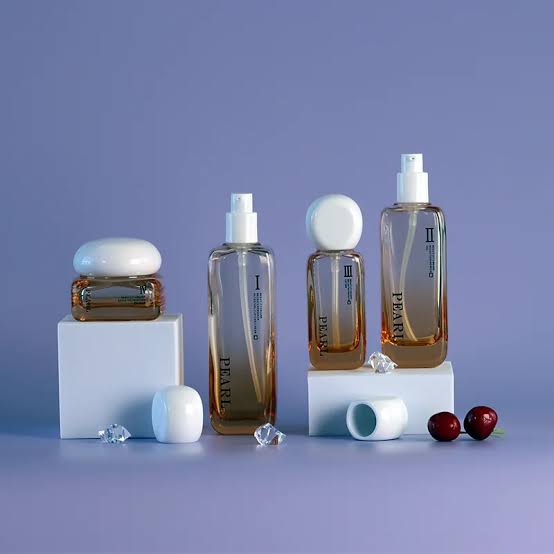
Introduction: The Moment a Bottle Wins or Loses
You walk into a boutique, scan the shelf, and your hand hovers over one shape. The round perfume bottle catches the light, and your choice feels instant—almost automatic. In shopper tests, decisions like this often happen in under five seconds, and small form factors can tilt the odds. Yet the story isn’t only about looks. It’s about grip, weight, fill line clarity, and the way a pump feels under the fingertip. And yes, it’s about how the bottle stays pristine through transit—funny how that works, right? The data is blunt: when presentation and use do not align, conversion drops and returns rise. So, what separates a “pretty” circle from a high-performing one that actually sells, ships, and satisfies? Let’s compare where we are, and where design and engineering are taking this beloved silhouette next.
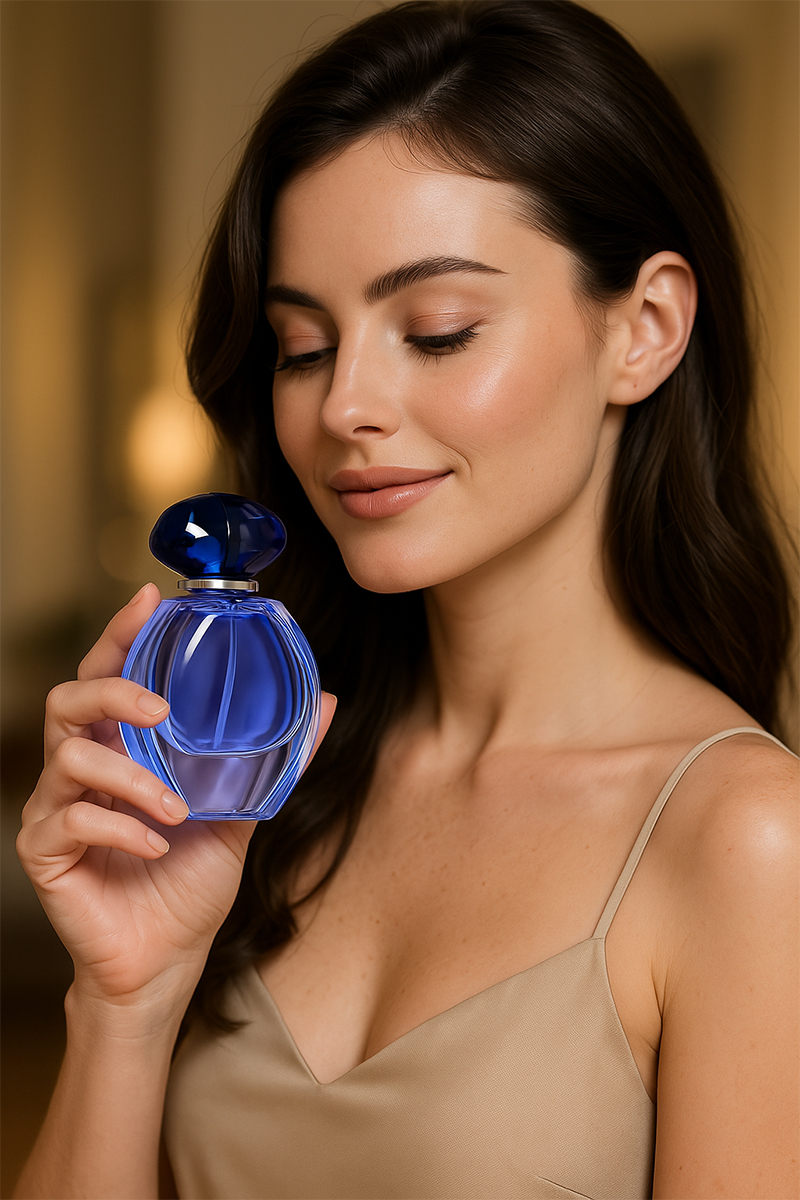
Hidden Friction in Small Formats: What We Overlook
Why do small bottles cause big headaches?
Let’s get technical for a moment. A 30ml round perfume bottle looks simple, but micro-details decide the user’s experience. The neck finish must match the pump’s crimping spec; too tight, torque spikes and caps crack, too loose, the atomizer wobbles. Volumetric tolerance affects fill accuracy and the final headspace, which shifts spray rate and scent perception. Glass annealing curves influence impact resistance, and a small tweak can cut breakage during cased shipping. Look, it’s simpler than you think—and harder than it looks. Brands often chase decoration first (hot-stamping, UV coating), then discover batch code smearing or label lift at the last mile. The pain is real.
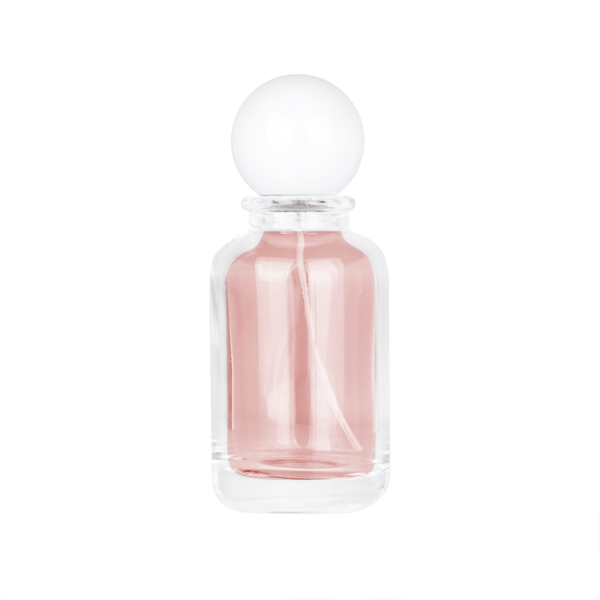
Users feel it, too. A bottle that rolls on a vanity, a cap that squeaks, a pump that misfires on first press—tiny jolts that break trust. The 30 ml size magnifies each flaw because the hand interface is more direct. Poor weight distribution tires the wrist; an off-center dimple makes grip less stable—odd, but common. Traditional fixes, like heavier glass or tighter crimp, pile on cost or cause new issues. The smarter path balances ergonomics with precise specs: consistent neck tolerances, controlled spray output, and coatings tested for real humidity cycles. Functional beauty beats brute force every time.
From Classic Curves to Smart Performance
What’s Next
Comparatively speaking, the next wave blends craft with new technology principles. For 30ml round glass perfume bottles, lightweighting no longer means “fragile.” Optimized glass annealing profiles and refined mold venting improve wall consistency without adding mass. Ion-exchange surface strengthening (used in premium glassware) is inching into cosmetics, boosting scratch and drop resistance. On the closure side, low-torque pumps with stable crimp force widen assembly windows, and anti-backflow valves raise first-spray quality. Digital print underlays seal graphics beneath a protective layer, preventing scuff during fulfillment. Small changes, big stability—because every touchpoint counts.
We can also look forward. NFC tags in caps make batch codes scannable, while laser micro-engraving supports traceability without visible clutter. PCR glass blends now hit clarity benchmarks once thought off-limits, and LCA tools guide trade-offs among weight, durability, and carbon. The gist: the round silhouette stays, but performance rises. Compared to old “thick glass equals premium,” the new rule is precision across the system—neck-to-pump fit, spray rate tuning, adhesion tests under heat and chill. Evaluating options? Track three metrics: 1) dimensional and volumetric tolerances across production runs; 2) atomizer consistency (spray angle, mcl per stroke, first-actuation rate); 3) decoration durability under ISTA-style rub and drop simulations. Do this, and the bottle delights on day one and day one hundred—no drama. Learn, test, refine, repeat. NAVI Packaging