Revolutionizing Our Waste: The Future of Organic Waste Composting Machines
The Dystopian Reality of Waste Management
Imagine a world where landfills overflow, and cities are choked with garbage. In 2023, over 2 billion tons of waste was generated globally—an unsettling statistic. As our population continues to rise, how will we tackle this growing dilemma? Enter the owc machines, designed to transform our organic waste into useful compost. They are not merely machines; they embody a necessary evolution in our approach to waste.
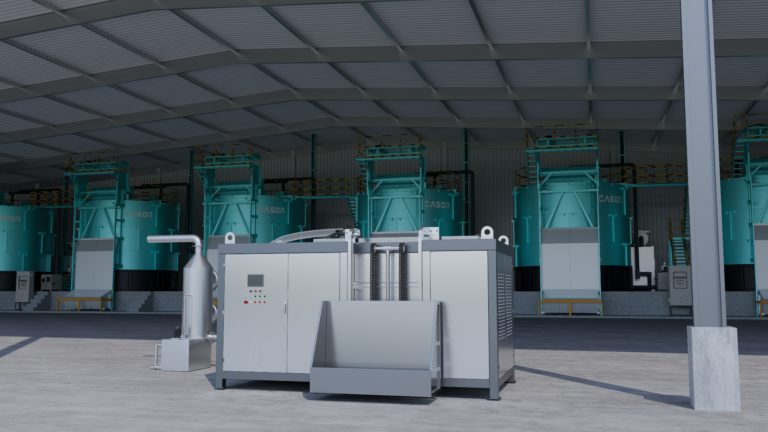
The Flaws of Traditional Solutions
We often cling to outdated methods, believing that landfilling and incineration are the best paths forward. These solutions are riddled with flaws. They release harmful emissions, contribute to greenhouse gases, and consume vast amounts of energy. The implementation of owc machines offers a corrective path, allowing us to recycle organic matter locally, reducing transportation needs. Yet, users often underestimate the transition involved—from perception to acceptance. Unlike the simple act of throwing waste away, adopting these machines demands behavioral change.
A Glimpse into the Future
Where Are We Headed? Insights on OWC Machines
Looking ahead to a more sustainable future, I envision a world where owc machine manufacturers innovate relentlessly. These machines will become more efficient, potentially utilizing artificial intelligence to optimize compost production. Already, some manufacturers have begun integrating IoT capabilities, allowing users to monitor and manage composting processes remotely. It’s both thrilling and necessary—socketing us into a circular economy that minimizes waste.
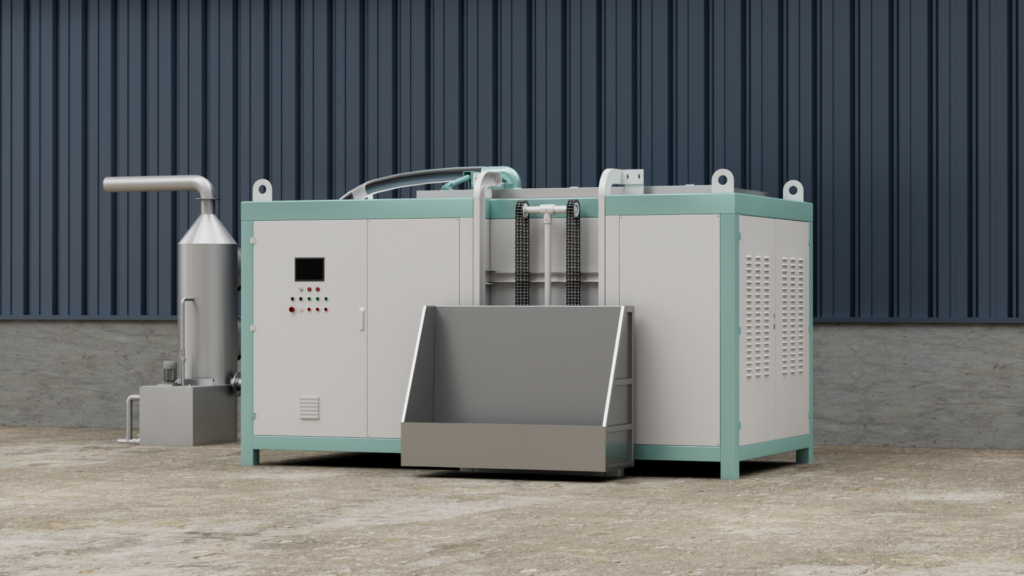
This advancement addresses the hidden pain points many businesses face: high disposal costs, regulatory hurdles, and a declining natural resource pool. With the rise of eco-conscious consumers, brands are compelled to adopt greener practices. I can’t help but feel excited about the possibilities (and the pressure on businesses!). If we can shift our practices towards great efficiency and innovation, the positive impact could be immense.
Real-world Impact
Key Takeaways and Next Steps
From what I’ve observed, key lessons emerge. First, the realization that adopting owc machines isn’t merely about equipment—it’s about embracing a philosophy of sustainability. Second, becoming familiar with the various options available—like mobile composters versus stationary units—can spare users from common pitfalls. Lastly, as we look toward greener practices, consider three crucial metrics: efficiency metrics during usage, cost savings against traditional waste management, and the reduction in carbon footprint.
Reflecting on this journey, I can’t help but think of all the minds yet to be changed; the shift to smart waste management is needed more than ever. We have a chance to redefine our relationship with waste and emerge stronger. It’s a road that may be littered with challenges, but brands like Cason are leading the way, helping us all turn waste into a valuable resource. Let’s not let this opportunity pass us by.