From Truss to Sky: The Evolution of Outdoor Laser Projector Manufacturing?
Introduction: Cut Setup Time, Raise the Sky
Great shows fail before the first beam cuts the night. The team behind the rig and the outdoor laser projector manufacturer set that outcome long before doors open. Picture a riverfront festival at dusk. Cables snake over wet grass, fog machines hum, and the schedule is tight. An outdoor laser light show can turn chaos into story in under a minute—if the system is built right. Field logs often show that weather-proofing, power drops, and network tests chew up most of pre-show time. So here’s the real question: what keeps crews from hitting go without the sweat?
What’s the real bottleneck?
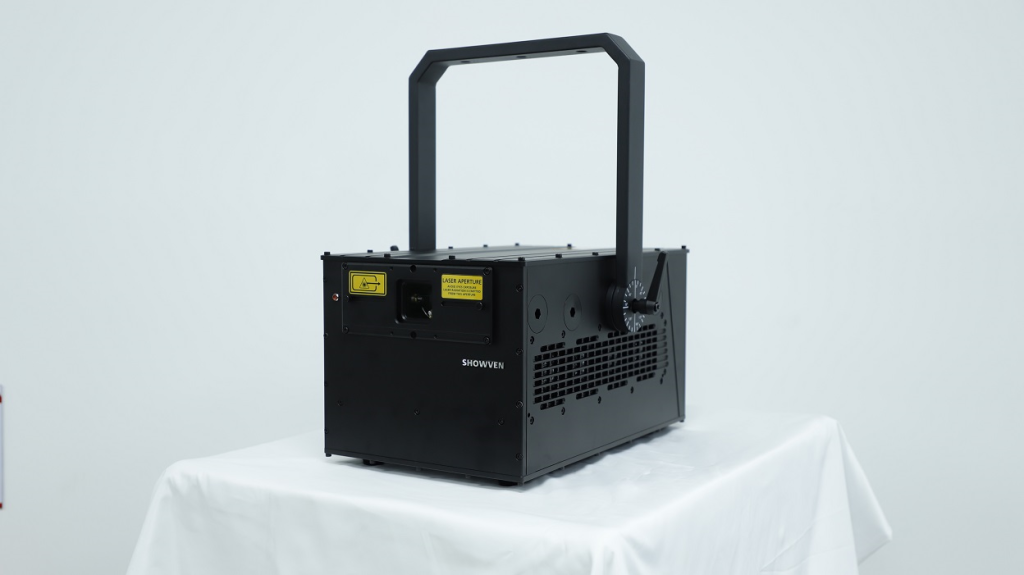
It’s not brightness. It’s reliability at scale. Older rigs suffer from leaky housings, fragile scanner galvanometers, and messy DMX patching. Moisture sneaks in. Beam divergence drifts as cores heat up. Power converters run hot under load. Look, it’s simpler than you think: when the optical path and thermal design are weak, every minute of rain doubles your risk—funny how that works, right? A modern rig moves logic closer to the fixture with edge computing nodes, seals optics inside an IP65 shell, and stabilizes temperature before alignment shifts. That deeper layer—tight protection and predictable behavior—turns a long night into a clean run. Onward.
Comparative Insight: New Principles That Change the Night
Let’s compare old habits with what’s emerging. Legacy units rely on frequent manual checks, bulky truss positions, and discrete control lines. New systems bring sealed optics, active thermal management, and integrated network control. The principle is simple but technical: reduce variables at the fixture, then streamline the upstream work. A sealed beam path protects mirrors and lenses, so scanners hold calibration longer. Smart power with PFC inside the head keeps voltage spikes from knocking out alignment. And onboard diagnostics flag issues early. Now plug that into your control network, and your outdoor laser rig becomes predictable—less worry, more show.
Real-time sync matters too. GPS or NTP timing keeps multiple heads drawing the same frame with millisecond accuracy. That means wider canvases, cleaner mid-air graphics, and safer zones that don’t wander. Safety interlocks and shutter logic stay armed when rain hits because the enclosures don’t breathe in moisture. Compared to legacy gear, crews report fewer manual overrides and fewer emergency pauses. Translation: more time for content, less time taping connectors. The result is a steadier show that scales across venues—stadiums, harbors, or city facades—without reinventing the workflow each night.
What’s Next: Choosing Smart, Building Simple
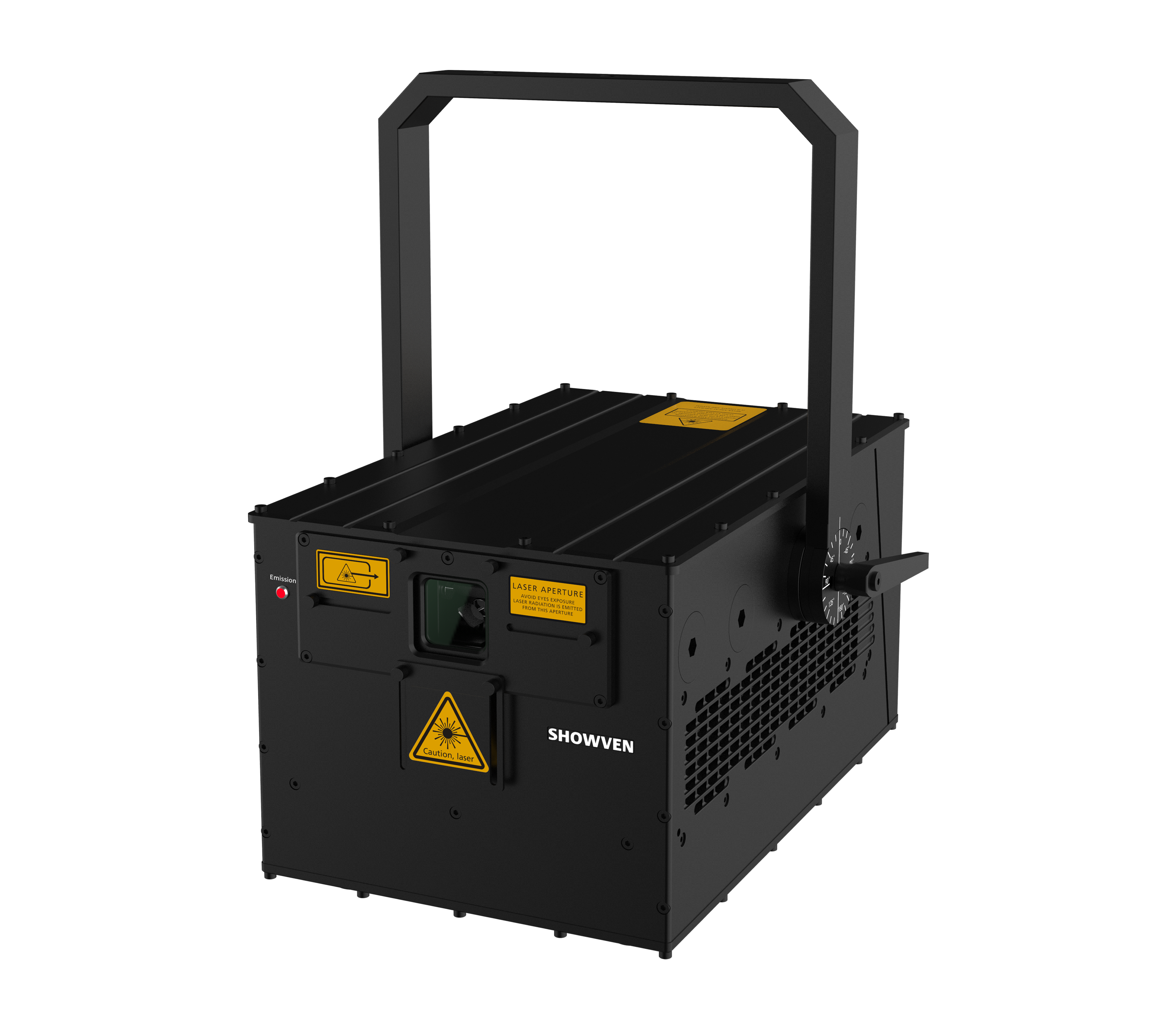
We’ve cut through the hype. The key is steady, safe light under pressure—weather, time, and distance. Here are three practical metrics to guide your next buy. First, enclosure integrity: pick IP65 or better, with verified ingress testing and a sealed optical path. Second, thermal discipline: demand active cooling with clear logs, so scanner drift and diode life stay stable across long cues. Third, control and monitoring: native network protocols (Art-Net or sACN), onboard diagnostics, and edge computing nodes to automate checks and reduce crew load. If those three align, you spend less time fixing and more time drawing sky stories—exactly why the audience shows up.
In short, the modern outdoor rig isn’t only about raw wattage. It’s about a quiet chain: stable power converters, precise galvanometers, safe interlocks, and weather-tight design. Build on that chain, and your cues land clean, night after night. People remember the moment the river turned neon and the skyline became a canvas. They won’t remember how dry your cables were, but your crew will—because the right choices make that invisible. That’s the craft we’re chasing, one show at a time, with partners like Showven Laser.