5 User-Centered Habits to Master an Automated Nucleic Acid Extraction Workstation
Introduction — a lab day, a slow queue, a question
One morning, I watched a small clinic queue build as technicians wrestled with samples and timers; the mood was tense, but also oddly hopeful. The automated nucleic acid extraction workstation sat humming nearby, offering speed but not always the ease we expected—servus, that can be a surprise. Data I gathered from a handful of labs showed run failures or delays in about 10–15% of routine batches last quarter, which made me ask: why do tools meant to simplify work still cause these hold-ups?
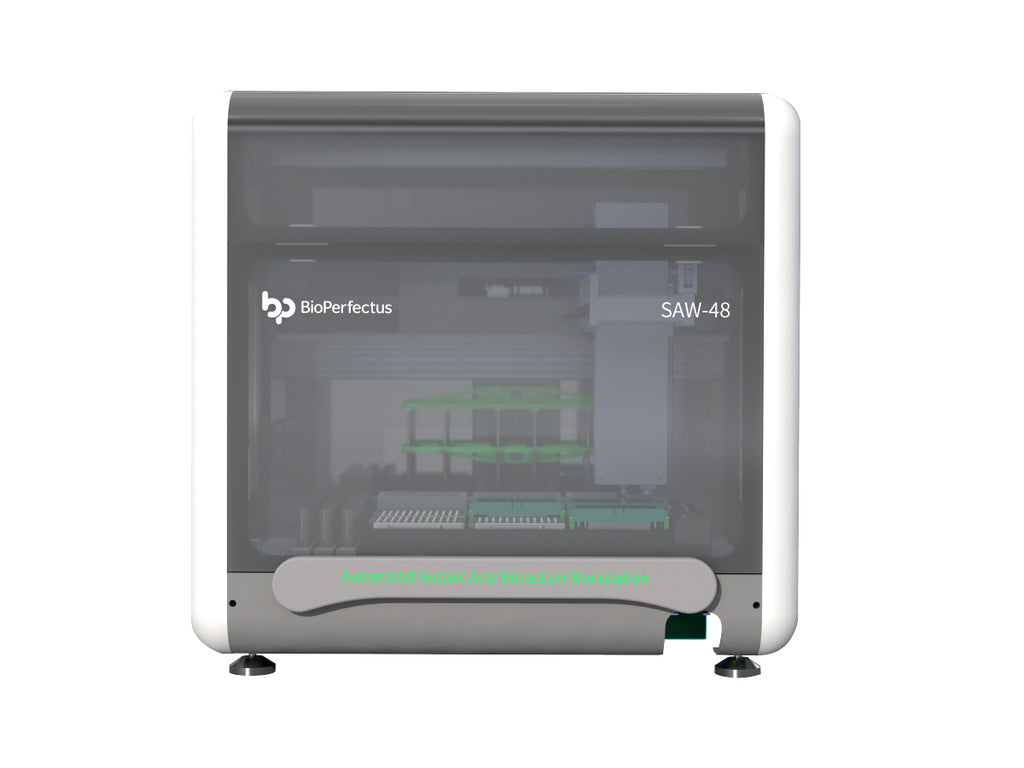
I’ll be frank—I’ve seen plenty of machines that are brilliant on paper but stumble in daily use. (Look, I do love clever engineering.) This piece walks through what I and colleagues actually notice at the bench, and then points the way forward so you can pick and tune systems with less fuss. Ready? Let’s move on to the real sources of friction.
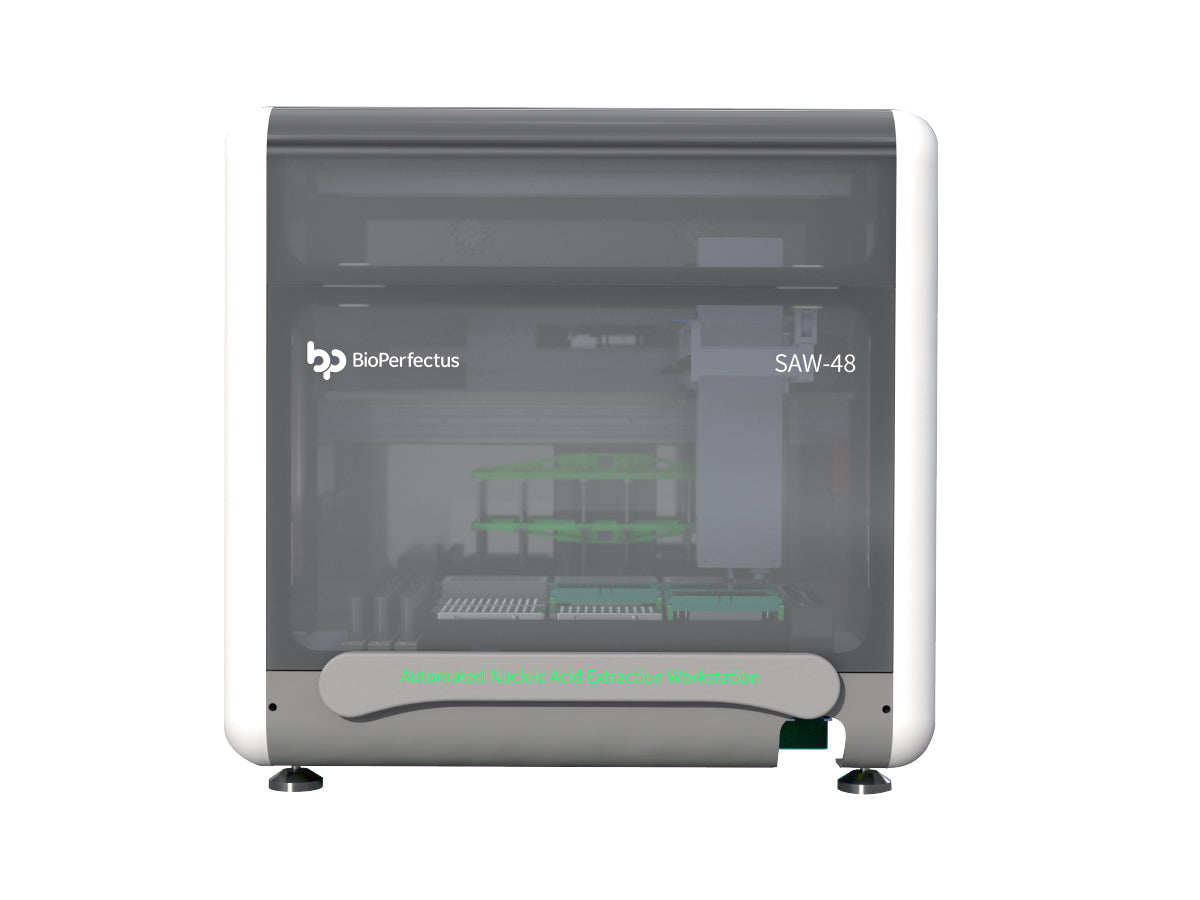
Part 2 — Where things go wrong: common flaws and hidden pains
First, let me link the core topic plainly: dna extraction workstation—it’s a marvel in throughput but it can hide practical weaknesses. Directly, the usual suspects are inconsistent liquid handling, tricky consumable swaps, and opaque error messages. I’ve tracked cases where magnetic bead carries were uneven, causing downstream PCR setup failures and re-runs. These are not exotic problems; they’re routine. Look, it’s simpler than you think—small design misses make big daily headaches.
What breaks first?
From my notes: pipette tip alignment drifts, software timeouts during busy runs, and poor user interfaces that assume expert users. Those lead to wasted samples and stress. Industry terms like sample throughput, liquid handling, and magnetic bead recovery matter here. We must admit: manufacturers often optimize for speed and ignore the small ergonomics that save minutes and hair. I feel strongly that labs need to demand clearer diagnostics and better physical workflow—otherwise we keep trading technician time for machine uptime, and that’s a poor bargain.
Part 3 — New principles and practical choices for the next generation
Now, looking forward, I want to explain a few new technology principles that can fix the pain points above. First: modular design. If parts are replaceable and accessible, maintenance becomes quick. Second: smarter sensors (not just more bells) that monitor magnetic bead capture and flag problems early. Third: better human-centered UI that guides a novice through a run. Again, the dna extraction workstation can embody these ideas, but only when vendors listen to real users rather than marketing teams.
What’s next? Start by evaluating three practical metrics when you compare systems: 1) true sample throughput under real conditions (not ideal lab demos); 2) mean time to recover from an error—how quickly can a tech fix a stuck run; and 3) clarity of consumables and spare parts (are parts common or proprietary?). These criteria capture workflow, not just specs. I’ll be honest—I prefer tools that respect the person at the bench. — funny how that works, right?
To close with a small, human note: we want machines that reduce stress, not swap it. Measure what matters, ask for field-tested features, and keep the conversation open with suppliers. If you want a starting lead, consider exploring suppliers who publish real-world metrics and support field feedback. For practical options and more details, check BPLabLine.