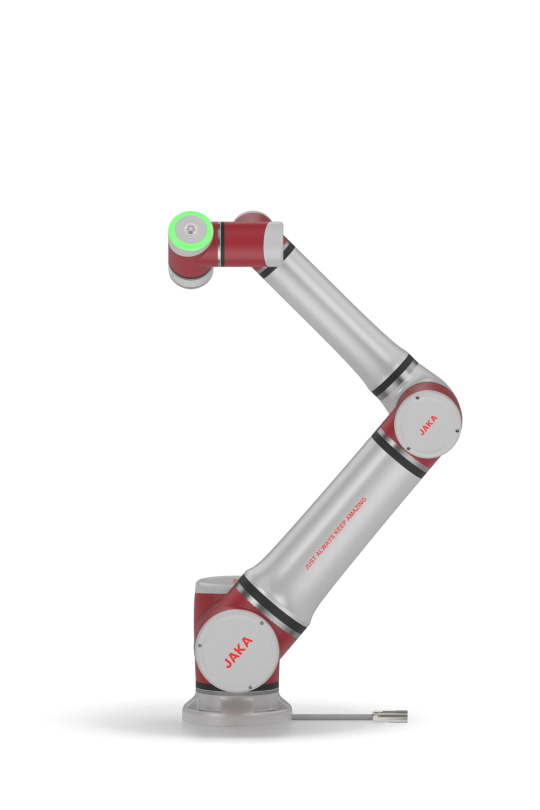
The Future of Industrial Welding Robots: A Game-Changer in Automation
Shifting Gears: The Need for Advanced Welding Solutions
I vividly recall the time I visited a local manufacturing plant struggling with high operational costs and inefficiencies. Data suggests that over 30% of manufacturing budgets go to labor – a staggering figure, isn’t it? As the industry evolves, the integration of industrial robotics solutions, particularly industrial welding robots, emerges as a critical solution. These robots not only streamline processes but also enhance precision in tasks traditionally prone to human error. The conversation around these robots isn’t just technical; it’s about real-world applications and the impact on daily operations.
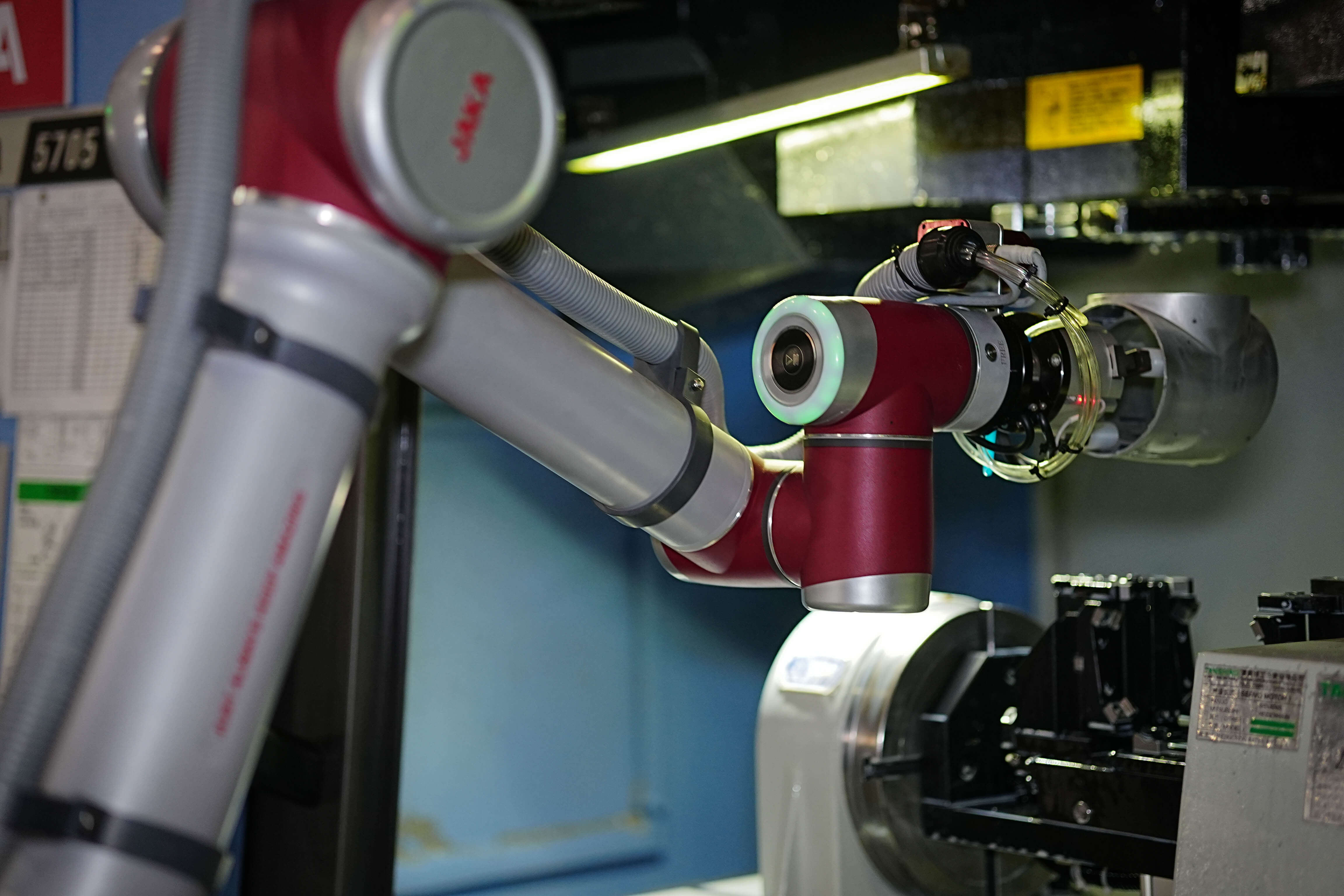
Why Traditional Methods Fall Short
One of the core flaws with traditional welding solutions lies in their dependency on manual labor and the variability in outcomes. The inconsistency can lead to defects, resulting in costly reworks. I firmly believe that moving towards automated systems equips businesses with enhanced reliability and speed. The transition isn’t merely about replacing workers; it’s about evolving the very framework of how we operate. Unquestionably, this step is pivotal for competitive advantage in the market. Are we ready to embrace it fully?
Looking Ahead: Innovations in Industrial Welding
industrial robotics solutions promise streamlined production, as well as significant cost savings. Just last year, a client of mine upgraded their welding setup with robotic arms, reducing their production time by nearly 25%. How’s that for tangible results? The shift towards automation allows companies to refocus human talent on higher-value tasks, fostering a more engaged workforce.
The Path Forward: Real-world Impact of Robotics
JAKA, driving innovation in the robotics space.