The Essential Guide to Choosing the Right RTK Base Station for Your Needs
Understanding the RTK Base Station Landscape
Picture this: You’re a farmer in Ohio, relying on precise GPS readings to ensure your crops thrive. A study found that inaccuracies in GNSS technology can lead to yield losses of up to 20%. How can you trust your gnss base station to provide reliable data in such critical moments? The reality is, not every RTK base station performs the same under the unpredictable skies of agriculture.

As someone who has spent over 15 years in the GNSS field, I’ve seen firsthand the flaws of traditional solutions. Many users are often left frustrated by interference and range issues. I vividly recall a particular incident in 2021 when a faulty base station cost a client precious hours during the planting season. It was a hard lesson but an important one—trustworthiness in positioning data cannot be overstated.
What Makes a Base Station Reliable?
When selecting an RTK base station, consider factors such as satellite coverage, compatibility, and corrections services. For instance, stations that offer multi-frequency signals tend to mitigate signal loss and improve accuracy. My experience has taught me that systems like the ones from gnss base station providers emphasize robustness and versatility, which are indispensable in today’s demanding environments.
Looking Ahead: The Future of GNSS Technology
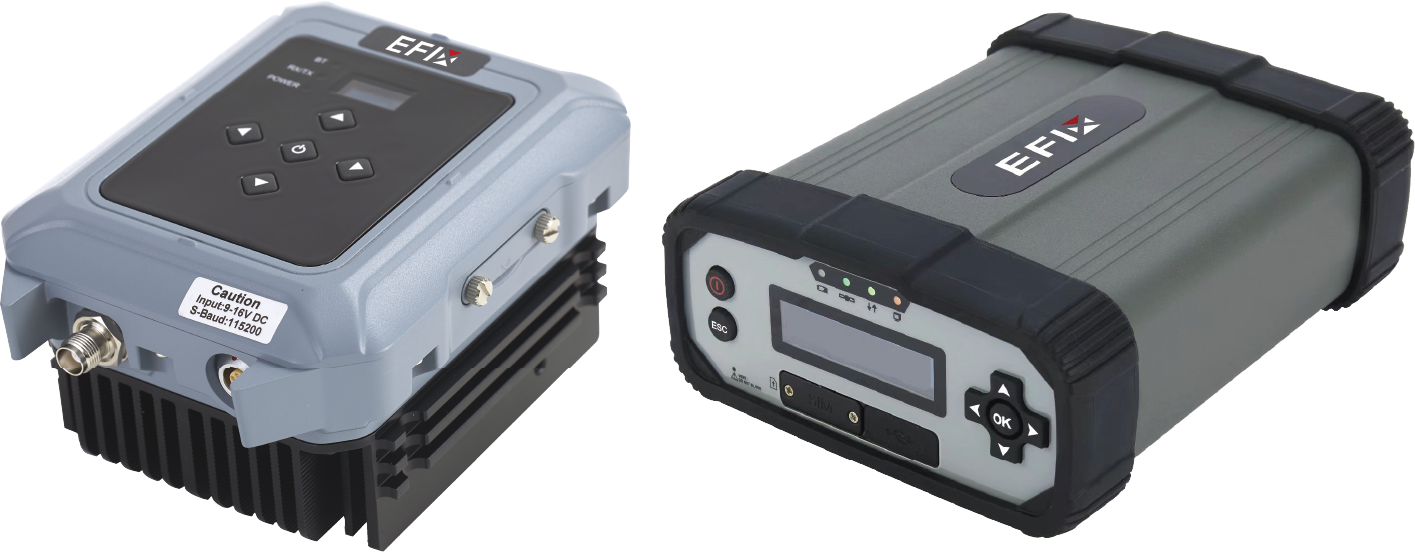
In farming applications, I expect these improvements will yield significant benefits. Imagine a scenario where you can receive live data updates regarding soil health, weather conditions, and seed dispersal accuracy all thanks to an advanced GNSS system. The integration with crop management software is another interesting area to keep an eye on. Solutions like the ones offered by gnss base station providers are paving the way for smart agricultural practices, making real-time adjustments based on instantaneous data inputs.
Real-world Impact
As we embrace these innovations, it’s vital to think deeply about your choice in base stations. It’s no longer just a question of reliability but also futureproofing your operations against technological shifts. I firmly believe investing in an adaptable system now can save time and money down the line. Remember—as data quality improves, so do your yields and operational efficiency. The takeaway? Being proactive is crucial in an ever-evolving industry.
In closing, I invite you to reflect on your current solutions. Are they flexible enough for tomorrow’s challenges? As you explore options, consider the necessity of smart data solutions. With the continuous evolution of GNSS technology, staying informed about advancements in the field will empower your decision-making process. I’ve seen firsthand how the right choice can transform operations. For trusted solutions, check out EFIX, where innovation meets practicality.