Cut the Bottlenecks: A Problem-Driven Guide to China Baby Wipe Production Line Efficiency
Introduction — a short scene, a quick fact, a strong question
I was on the factory floor when the line stalled for the third time that week — and everyone’s patience snapped. The shift supervisor sighed, the roll of nonwoven fabric hung loose, and production targets drifted farther away. China baby wipe production line setups can feel like a living thing: temperamental, resource-hungry, and oddly proud of their quirks (we’ve all been there). Recent sector data shows that small uptime improvements — even 3–5% — can raise output by thousands of packs per month. So how do you stop firefighting and start designing predictable, quality output without killing agility?
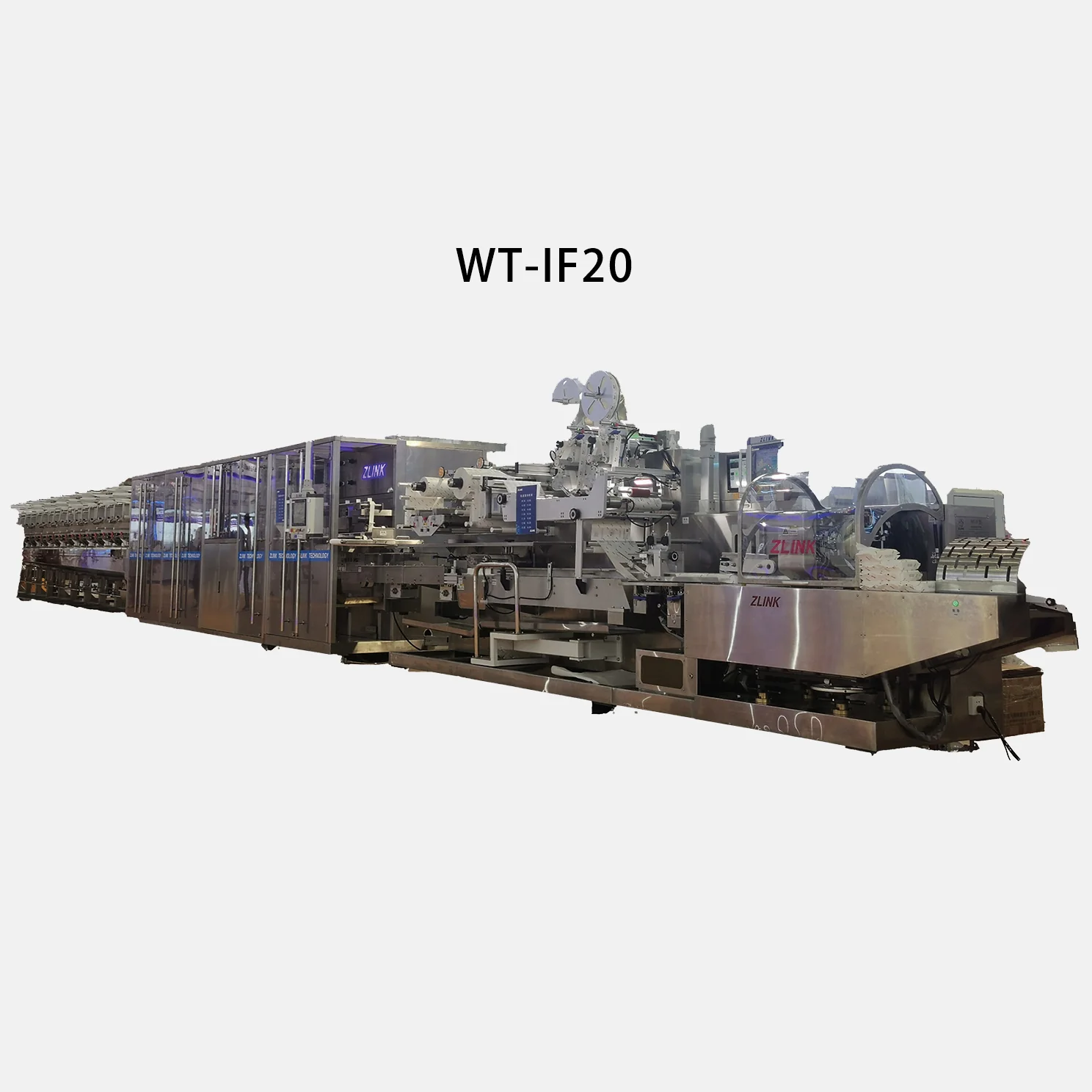
That’s the question I keep coming back to. I’ve worked through messy PLC traps, finicky servo motor calibrations, and inefficient rewinder setups. I want to walk you from frustration to a plan that actually sticks — fast. Next, I’ll explain where most teams go off track and why band-aid fixes fail, so we can aim at real change.
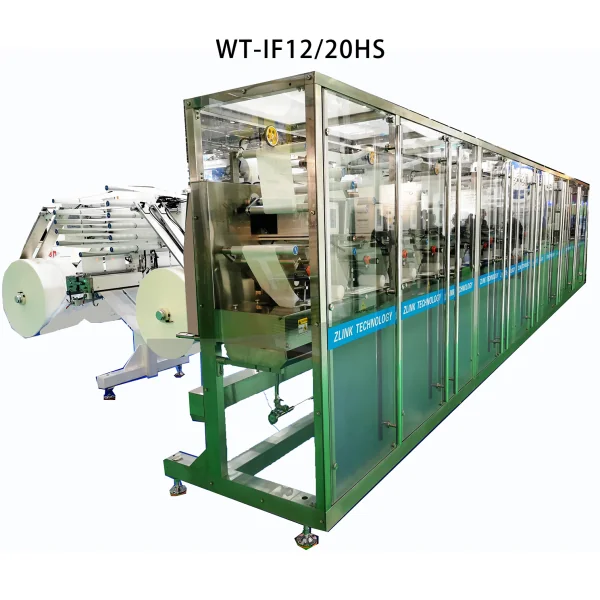
Why common fixes fail for a china baby wipe production line company
china baby wipe production line company solutions often point at a single cause — “fix the sensor” or “upgrade the motor” — but the real issue is layered and systemic. I’ve seen teams chase a faulty ultrasonic sealer or tweak the hot air dryer only to watch another fault emerge. That’s because traditional fixes treat symptoms, not flow. The result: repeated downtime, stressed operators, and wasted materials. Objectively, that’s expensive and emotionally draining for staff.
Technically speaking, there are three recurring flaws. First, siloed controls: PLC logic tuned for one shift, not the range of real conditions. Second, weak feedback: moisture control and tension sensors that aren’t calibrated to daily variance. Third, piecemeal upgrades: adding a high-speed servo motor where the rewinder still chokes. Look, it’s simpler than you think — you need coordinated fixes that respect the whole system. I’ll show what that looks like next.
What’s the main technical gap?
Operators commonly tell me “we fixed one thing but another broke.” The truth is, missing closed-loop control and proper diagnostics make that inevitable. When your line lacks meaningful feedback (tension sensors, humidity monitoring, real-time SPC), you’re flying blind. Change the approach: integrate sensors, rethink PLC recipes, and force cross-team problem solving.
New technology principles and a forward-looking plan
Moving forward, I prefer to explain principles rather than sell features. For a china baby wipe production line company, the core is simple: replace reactive fixes with predictive, embedded controls and standardized quality gates. That means combining edge computing nodes for local analytics, heartier moisture control systems, and better human-machine interfaces. I’ve helped teams test a small edge node on a pilot line — it flagged tension drift hours before an operator noticed — and that alone cut rework by nearly 8% in a month. — funny how that works, right?
Here’s a compact roadmap I recommend: start with baseline measurement (cycle time, scrap rate, pack integrity), then add focused sensors (tension, moisture, temperature), and finally layer predictive alerts through simple analytics on the PLC or a lightweight edge node. This isn’t rocket science; it’s consistent measurement plus quick feedback. The tech terms sound heavy — servo motor tuning, rewinder calibration, ultrasonic sealer alignment — but the action is straightforward: measure, react, learn, repeat. I’ve also seen spunlace and nonwoven suppliers help by standardizing roll specs, which reduces variance upstream — and that makes downstream control way easier.
Real-world impact — what to expect next
Short term: fewer stops, cleaner packs, calmer operators. Medium term: lower scrap, steadier OEE, clearer maintenance cycles. Long term: the ability to scale lines without repeating the same mistakes. If you want a practical test, run a two-week pilot that compares the line with and without additional feedback loops. You’ll get measurable numbers fast — and yes, it’s satisfying to watch those charts move in the right direction.
To close, here are three evaluation metrics I use when choosing upgrades: 1) Mean Time Between Failures (MTBF) improvement potential; 2) measurable scrap rate reduction within 30 days; 3) operator effort reduction (less manual intervention per shift). Use these as your guiding scoresheet. I mean it — they keep conversations honest and fast.
For teams weighing options, a pragmatic partner helps — not with grand promises but with clear tests and rapid iterations. If you want a real example of a supplier who builds full lines and supports this stepwise approach, check the team at china baby wipe production line company. I’ve seen them work through these exact issues on multiple lines. Small tests. Real numbers. Less stress. — and that’s what keeps me excited about this work.
Thanks for reading. If you try any of these steps, tell me what surprised you — I learn from those stories. ZLINK