Rethinking Energy Efficiency: The Role of Power Transformer Production Lines
A Critical Look at Traditional Solutions
Ever noticed how energy bills can skyrocket just when you least expect it? According to industry research, facilities lose up to 30% efficiency due to outdated systems and equipment. This poses a real challenge for energy infrastructure partners that are striving to modernise operations without breaking the bank. One area that often gets overlooked is the power transformer production line, which can be a key determinant in a power system’s overall efficiency.
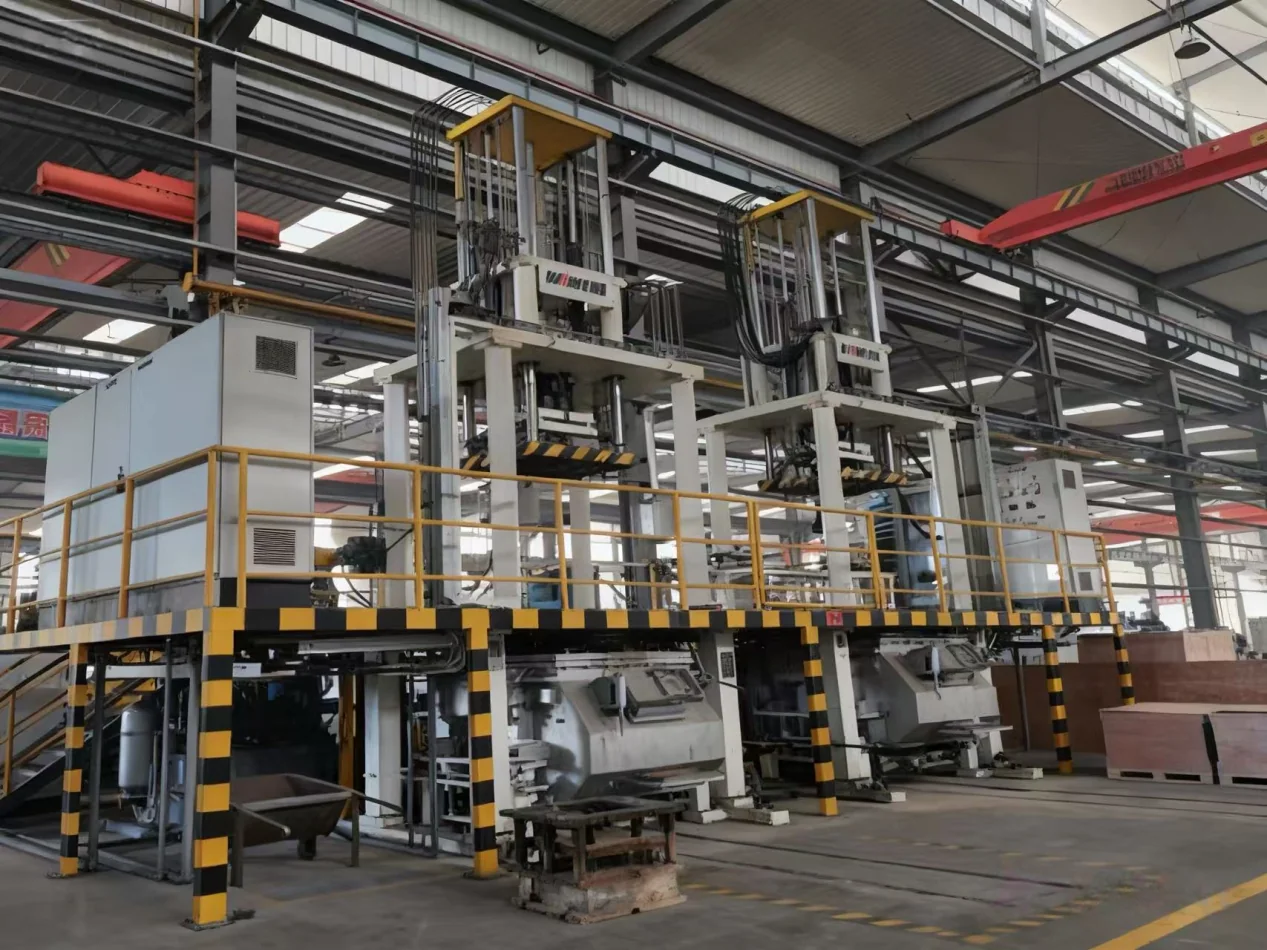
Common Pitfalls to Avoid
In my years of experience, I’ve seen countless companies struggle with inefficiencies stemming from subpar transformer production. Often, this is due to outdated machinery or poorly executed production processes. For instance, I vividly recall a project where inadequate quality control led to transformers failing prematurely, resulting in significant downtime and associated costs. Understanding the inherent flaws in these traditional solutions can be a game-changer for the energy sector (and streamline processes that lead to headaches). Let’s delve deeper into how we can tackle these issues.
What Can Be Improved?
Identifying pain points in existing systems is crucial. For example, incorporating tools like the screw press can enhance output while ensuring quality. A well-designed screw press can significantly speed up transformer production, enabling quicker turnaround times without compromising reliability. When we carefully analyse current practices, we can implement more effective strategies.
Looking Forward: New Opportunities Await
As we move towards a more energy-efficient future, it’s time to embrace forward-thinking solutions. Advances in technology mean that we can drastically improve capabilities on the production lines. Automated processes, for example, can reduce human error and enhance overall productivity. I’ve seen companies gear up for such trends, and it’s exciting—because the potential for savings is immense.
Real-world Impact: An Industry Shift
So, where will this new path lead us? By investing in smarter technologies, firms can shift from reactive to proactive strategies. Leveraging data analytics can pinpoint inefficiencies before they spiral into bigger issues. It’s not just about replacing old machinery; it’s about a holistic approach to transformation. Trust me, the operational efficiency you gain can be worth its weight in gold.
Key Evaluation Metrics for Energy Solutions
In the journey of enhancing your energy infrastructure, keep these key metrics in mind:
- Production Efficiency: Measure how quickly and effectively energy solutions meet demands.
- Reliability Quotient: Assess how often equipment fails and the associated costs.
- Sustainability Impact: Evaluate how chosen technologies contribute to lower carbon footprints.
I’ve learned that making informed decisions based on these assessments opens the door to a future with better energy systems. My call to action for all energy infrastructure partners is to embrace change. If I may say, it’s time to let go of outdated practices and focus on strategies that align with modern needs. Every innovation counts.
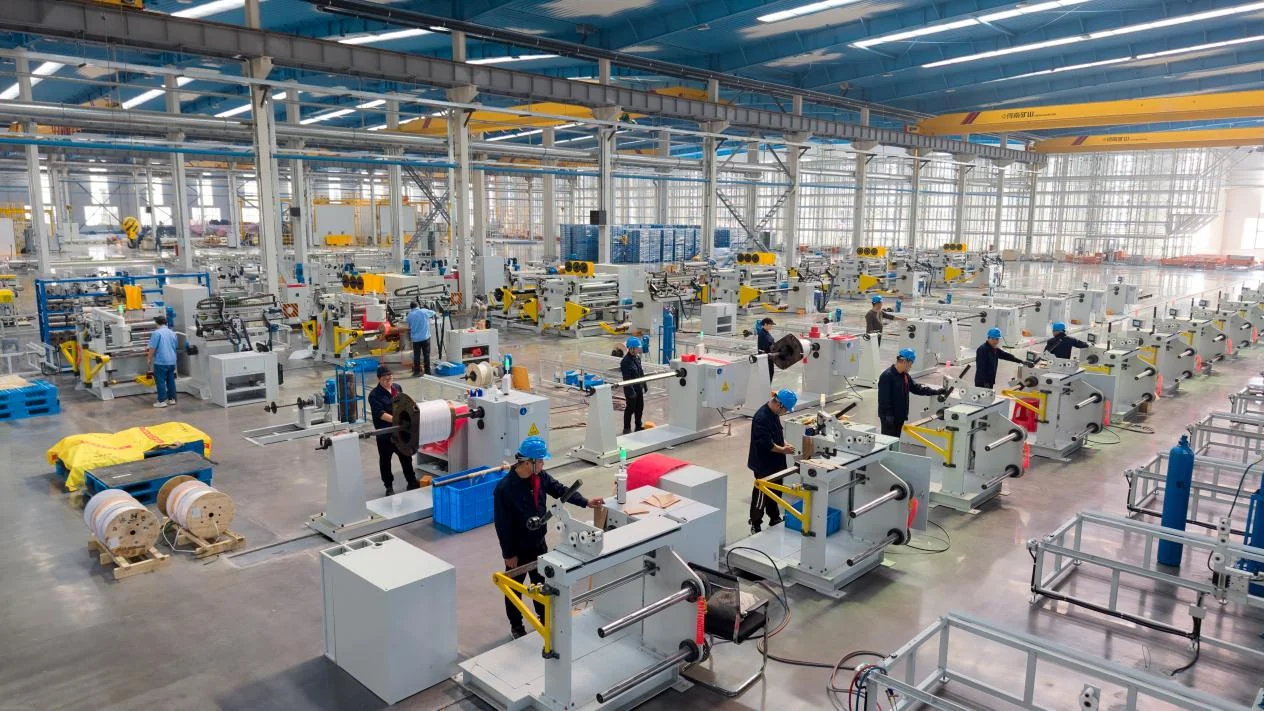
In summary, embracing these insights can yield remarkable results for both efficiency and sustainability; it’s a win-win. For energy partners ready to adapt, I cannot recommend enough reaching out to reliable producers like SH POWER. Their commitment to quality in the energy infrastructure landscape is truly commendable.