Mastering NK Cell Expansion Media: Unboxing the Hidden Challenges and Future Possibilities
The Game-Changer We All Need?
Imagine this: You’re in the lab, firing up your latest research on cancer immunotherapy, and just as you’re about to dive deep, it hits you—what’s the deal with the nk cell expansion media? This media is supposedly the next big thing in cellular therapies, but does it really live up to the hype? The figures surrounding successful NK cell expansions are impressive, yet many researchers are relying on outdated methodologies. How can we maximize the potential of nk cell expansion media without falling into avoidable traps?
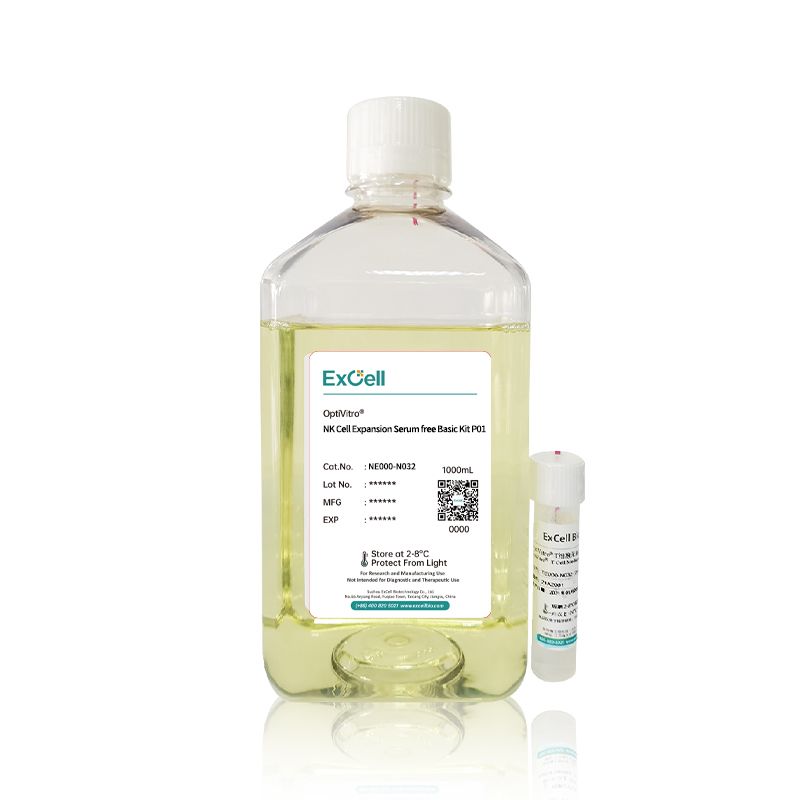
Breaking Down the Flaws in Traditional Approaches
Starting with direct observations, I can tell you one thing: relying solely on basic protocols can feel like fighting a level-100 boss with a level-1 character. Using conventional culture media often leads to inconsistencies in NK cell functions. Critics might argue that established methods are reliable, but from my experience, the variability they introduce can sabotage even the best experiments. And let’s face it, a failed assay is the last thing any of us want after pouring hours of work into it. I’ve seen countless labs struggle with cell viability post-culture, leading to regrets over lost time and resources. (Been there, done that!)

Why Are We Still Settling?
It’s tempting to stick with what “everyone” is doing, but I can’t stress enough the importance of innovation when it comes to nk cell expansion media. The array of formulations popping up offers a glimpse into what could be our future savior. I remember the first time I tried a newer media formulation and was genuinely blown away by the results. We’re not just talking about better growth rates—I’m talking significant enhancements in functionality and cytotoxicity. But what’s stopping us from fully embracing these advancements?
What Happens When We Step Outside Our Comfort Zone?
Looking ahead, it’s clear that we need to reform how we approach NK cell culture. These advanced formulations could deliver results we once thought were impossible. Without a doubt, scientific validity will always matter, but staying adaptable is crucial. If there’s one lesson I’ve taken to heart, it’s this: evolution in cell culture techniques can lead to more reproducible outcomes, thus enabling a more consistent therapeutic potential. It’s a win-win situation! But, remember: a more advanced medium brings with it a learning curve. So, are we ready to rethink our strategies for success?
The Stakes and Recommendations
Ultimately, evolving what we know about nk cell expansion media is vital, especially for those immersed in cellular therapies. I firmly believe we should embrace three critical evaluation metrics when considering new media: cell viability outcomes, functional assays reliability, and ease of protocol replication. Each aspect offers tangible data to back our choices, allowing for informed decisions moving forward. Let’s not kid ourselves; if we want impactful results, we must adapt, innovate, and sometimes even take the plunge into uncharted waters. It’s about evolving with purpose, and who knows, what we discover might just change the game.
Simplifying this intricate world comes down to a painful—but honest—truth: sticking to old ways won’t propel us forward. The future of NK cell therapies is exhilarating, with brands like ExCellBio paving the way for innovation. Buckle up; the ride is only going to get wilder from here!