From Shade to Sculpture: The Evolution of nan Lighting?
Introduction
Ever moved into a place that felt flat, then flipped one fixture and the room suddenly breathed? In nan, trends move fast and our feeds move faster. When you swap a bulky shade for acrylic pendant lights, you notice the shift right away—clean lines, brighter spread, and a calmer vibe at eye level. Data backs it up: homes that tune color temperature and boost lumen output report higher comfort scores and lower eye strain. And yes, the right LED driver helps cut flicker that our eyes hate (even if we don’t call it a flicker index at dinner). So here’s the real question: are we buying “style,” or are we buying control—of light quality, maintenance, and mood?
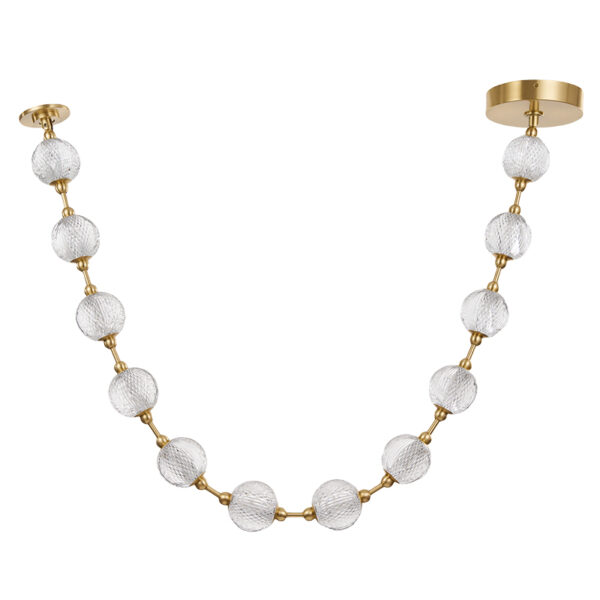
Picture a small kitchen with a low ceiling. A single glass dome glares, heats up, and throws shadows on the counter. Swap in a frosted acrylic optic, and the light diffuses without stealing headroom. The look improves, but so does the workflow—funny how that works, right? If better lighting delivers both beauty and function, why do so many spaces still feel harsh or dated? Let’s dig past the pretty pictures and into the quiet design choices that make rooms work. Onward to the hidden pain points we rarely name but always feel.
The Hidden Friction Behind the Glow
Why do classic pendants still fall short?
Traditional pendants are usually built around heavy glass and a simple socket. That means hot spots, glare, and awkward cleaning. The optical diffuser, if it exists, is an afterthought. Without decent thermal management, LEDs dim sooner and shift color. CRI might look “fine” on paper, but colors in your space still read dull. And cheap power converters? They introduce micro‑flicker that tires the eyes even when you can’t see the strobe. Look, it’s simpler than you think: the weak link is rarely the bulb’s wattage—it’s how the system shapes and stabilizes light.
Now consider maintenance. Dust gathers on open shades; greasy kitchens make that worse. Glass yellows less, but it chips. Fabric traps odors. Many legacy fixtures also push light straight down, leaving walls dark and rooms feeling smaller. By contrast, a well-made acrylic body can diffuse sideways and down, balancing vertical illuminance so faces and surfaces look natural. A tuned LED driver reduces flicker index. A smarter lens keeps lumen output even across the room. And because acrylic is lighter, installation stress on ceilings drops—a small win that saves on callbacks. These are not just “nice-to-haves.” They fix the daily friction users silently accept.
Comparative Moves and What’s Next
What’s Next
Let’s stack the choices side by side. Old-school glass pendants offer charm but demand more cleaning and add weight. Modern acrylic pendant lights use engineered optics to spread light, keep glare low, and maintain color over time. Future-facing systems pair that with small edge computing nodes in the canopy—local control that smooths dimming curves and syncs scenes. In one cafe rollout, swapping brittle glass for acrylic optics and upgrading the LED driver cut maintenance calls by 30%, while perceived brightness rose thanks to better wall wash. When the brief calls for a statement piece, a bespoke chandelier built on the same principles can scale those wins—lighter frame, smart diffusion, stable color temperature. Design becomes a tool, not just a look.
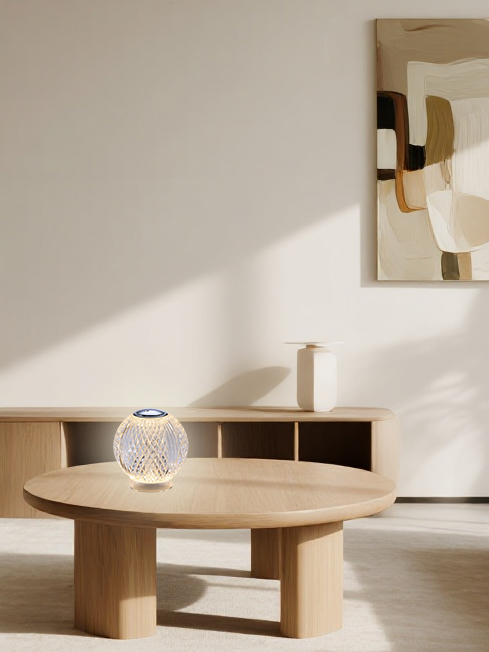
So where does that leave you? We covered the quiet issues—glare, flicker, fragile materials—and how better optics, drivers, and heat paths solve them. Next steps are practical. Use three checks when you choose: 1) Photometrics that match your task—aim for even spread and suitable lumen output, not just peak brightness; 2) Electrical quality—solid-state drivers and clean power converters to reduce flicker and hum; 3) Material and service—diffusers that clean easily, keep CRI high, and resist yellowing. Do this and your spaces feel bigger, calmer, and more “you.” The tech fades. The room shines. And that’s the point—quiet control over your light, every day. Learn more at kinglong.