How Lid‑First Engineering Could Transform Facility Waste Programs in 2026?

Introduction: A Technical Wake-Up on the Loading Dock
Here is the overlooked truth: most waste station failures start at the lid, not the body. Trash can manufacturers know the hinge, seal, and actuation path define real-world uptime. Picture a grocery backroom at shift change. Bags stack up, carts jam a narrow aisle, and six stations wait for swaps. In many chains, a single store can rack up hundreds of lid cycles per day; multiply that across regions and the stress adds up fast (fast enough to break weak points). Now ask the hard question: if lid mechanics drive safety, odor, and speed, why do so many bins still ship with the same old hinge and seal?
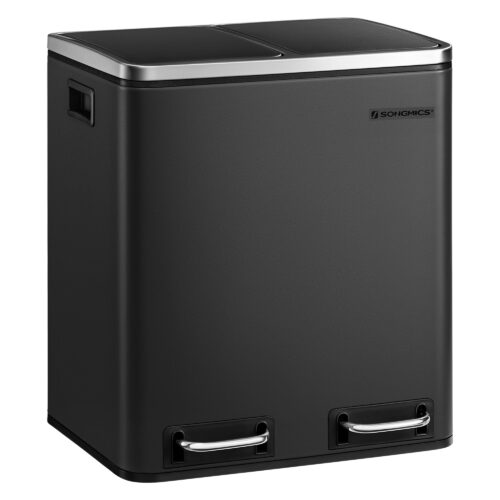
In short, we test bodies for impact, yet ignore the micro-wear at the lid. That is where torque loss, seal fatigue, and lever slip live. It is where cleaning time balloons. And it is where staff confidence drops. Let’s map that failure path, then weigh what a next-gen lid could do, side by side, against common options—so you can choose with data, not guesswork.
Comparative Insight: The Hidden Costs Behind Lidded Bins
Where do the flaws hide?
Most issues start small and compound fast. Buyers seek wholesale trash cans with lids to standardize fleets and cut per-unit spend. But direct savings can mask field costs. Gaps at the rim let air move; odor slips; pests test the edge. Foot pedal mechanism play grows with each cycle, and the liner retention ring twists under load. In fast sites, that means a second hand is needed to seat the bag. That is a slow, risky move. The result: more wipe-downs, more gloves, more time per empty. Look, it’s simpler than you think: if the lid is not rigid where it counts, the station becomes a leak point for odor and time.
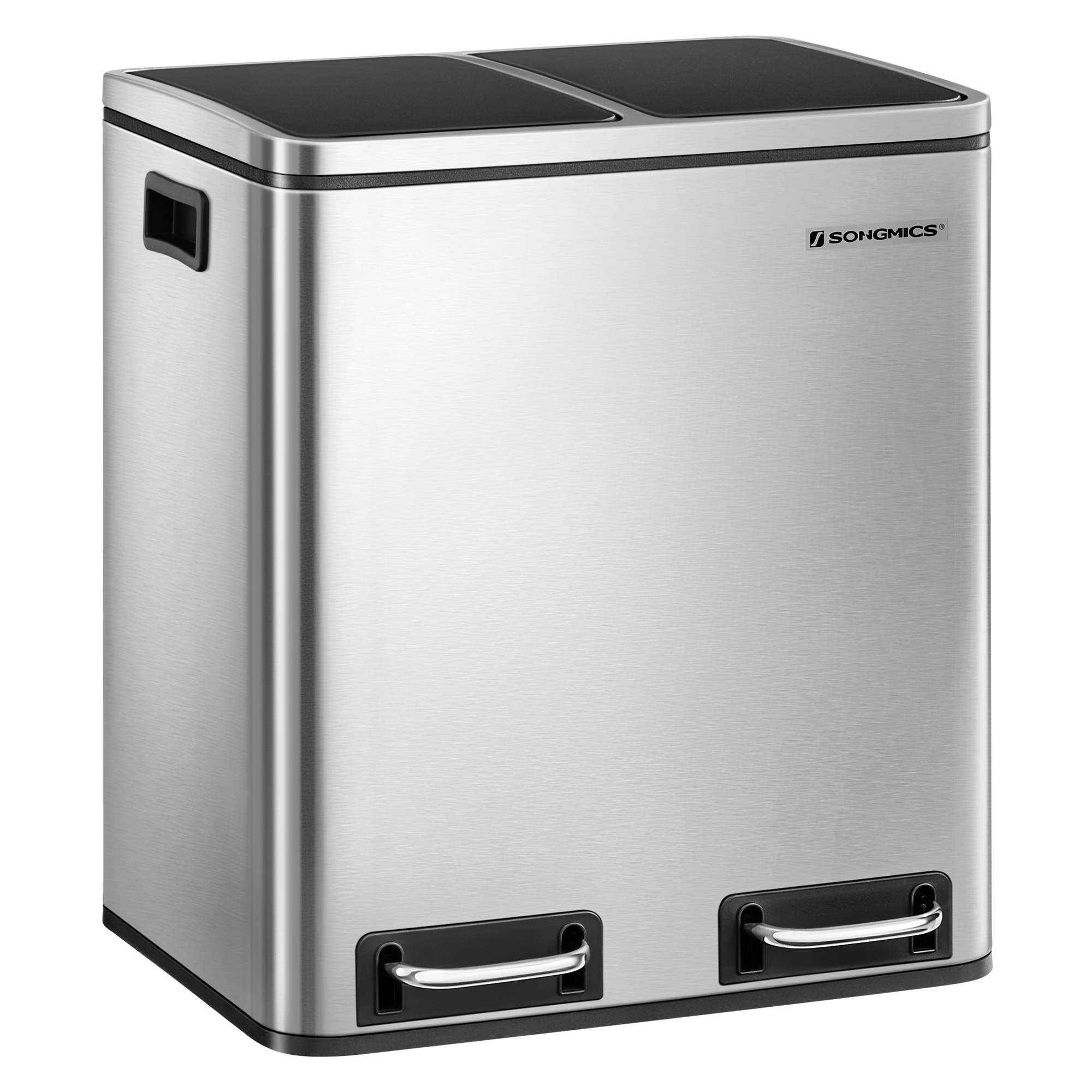
“Smart” add-ons do not fix weak geometry either. A battery lid with poor hinge torque is still a poor lid. Edge computing nodes can log fills, sure, but if the seal has a high compression set, you still chase smell. Power converters can run a sensor, but they will not correct sloppy actuation paths. Traditional fixes—thicker plastic, harder springs—only shift the failure to the next part. Compared to tight-fit lids with tuned torque and a true wipe lip, legacy designs stack up poorly in cycle-life and sanitation effort. The field story says it all: when the lid works, the station flows; when it drifts, everything drifts.
Forward Look: Principles That Will Redraw the Lid Playbook
What’s Next
The next jump is not a gadget; it is better physics at the rim. Think gasket profiles that hold shape, not just thickness. Think hinge torque that stays stable after heat and cold. Sensor arrays add value only when the mechanical stack is right—funny how that works, right? The strongest path blends materials and controls: polypropylene resin blends that resist creep, UV stabilizers for outdoor carts, and torque hinges that do not loosen after 50,000 cycles. With these, alerts and data become real tools, not bandages. And when you compare options, note how the best lids clean with one wipe. Short strokes. No snag points. That is design doing real work.
There is also a supply lens. Leading rubbish bin manufacturers are aligning mold flow, hinge pin tolerance, and seal durometer, so every batch lands in spec—no guessing. RFID tags can track fleets, but the win comes when the lid and body share a repeatable fit, batch to batch. That shrinks supply chain latency on spare parts and cuts training time for staff. Final advice, so you can choose with clarity: one, test cycle-life under heat, cold, and chemical wipes, and measure torque retention, not just pass/fail. Two, score seal performance by odor escape and splash back, not only IP ratings on paper. Three, model total cost per empty, including wipe-down time, bag seat errors, and hinge swaps over a year. Do that, and the better lid shows itself—crisp, fast, and calm under pressure. For deeper specs and program-fit options, see SONGMICS HOME B2B.